boot sequence complete

Twenty years at the seam between art and engineering.

I quit medical school to become a starving artist — and nearly starved to death. So I pivoted. What started as freelance design work became two decades of building interfaces, design systems, and now agentic AI pipelines that ship to production, not just to a deck.

$250K
saved annually, Asurion AI platform
75%
vendor dependency cut
12
enterprise products, one design system
Brynn Hart
brynn_hart — portrait.jpg — 2026
whoami

Clarity from chaos, on purpose.

My background in medicine gives me an edge in healthcare UX, but I thrive anywhere that needs structure pulled out of a mess. I call my design style cozy minimalism: warm, clean, human-centered — with a phosphor-terminal streak I never quite grew out of.

AI has been a throughline in my work for three years now — not as a feature I bolt onto a project, but as core material I design and build with directly. I architect agentic systems that generate, evaluate their own output, and know when to escalate to a human. I write the prompts and the pipeline code. I know the difference between a demo that impresses a room and a system that survives contact with production.

I'm at my best when someone hands me a whiteboard sketch of a hard problem and needs it turned into something a real team relies on by Monday morning.

// stack

  • Adobe Firefly Services, Creative Cloud
  • Claude API, OpenAI API, Azure AI, LangChain
  • Figma — systems, tokens, plugin architecture
  • React, Angular, Vue, Node.js
  • Cursor, Claude Code — daily driver
  • D3, Tableau — data visualization
selected work

Six systems, one throughline: make the complex thing legible.

Case studies below, roughly ordered from newest and most AI-native to earliest in my career. Placeholder frames mark where real screenshots and screen recordings go.

~/work/agentic-asset-generation — 2024–present
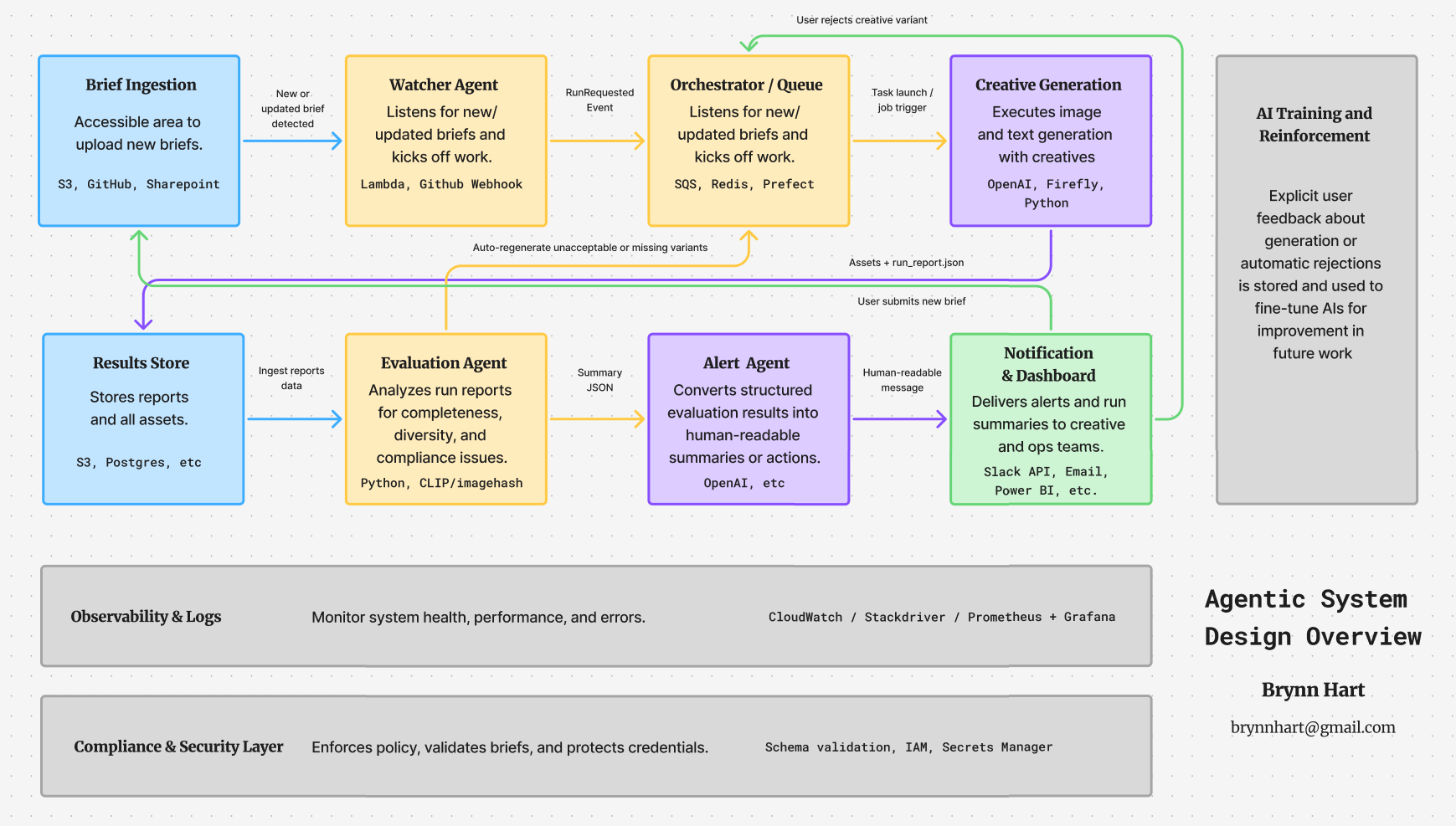
Agentic system architecture diagram (Watcher → Generator → Evaluator → Alert)
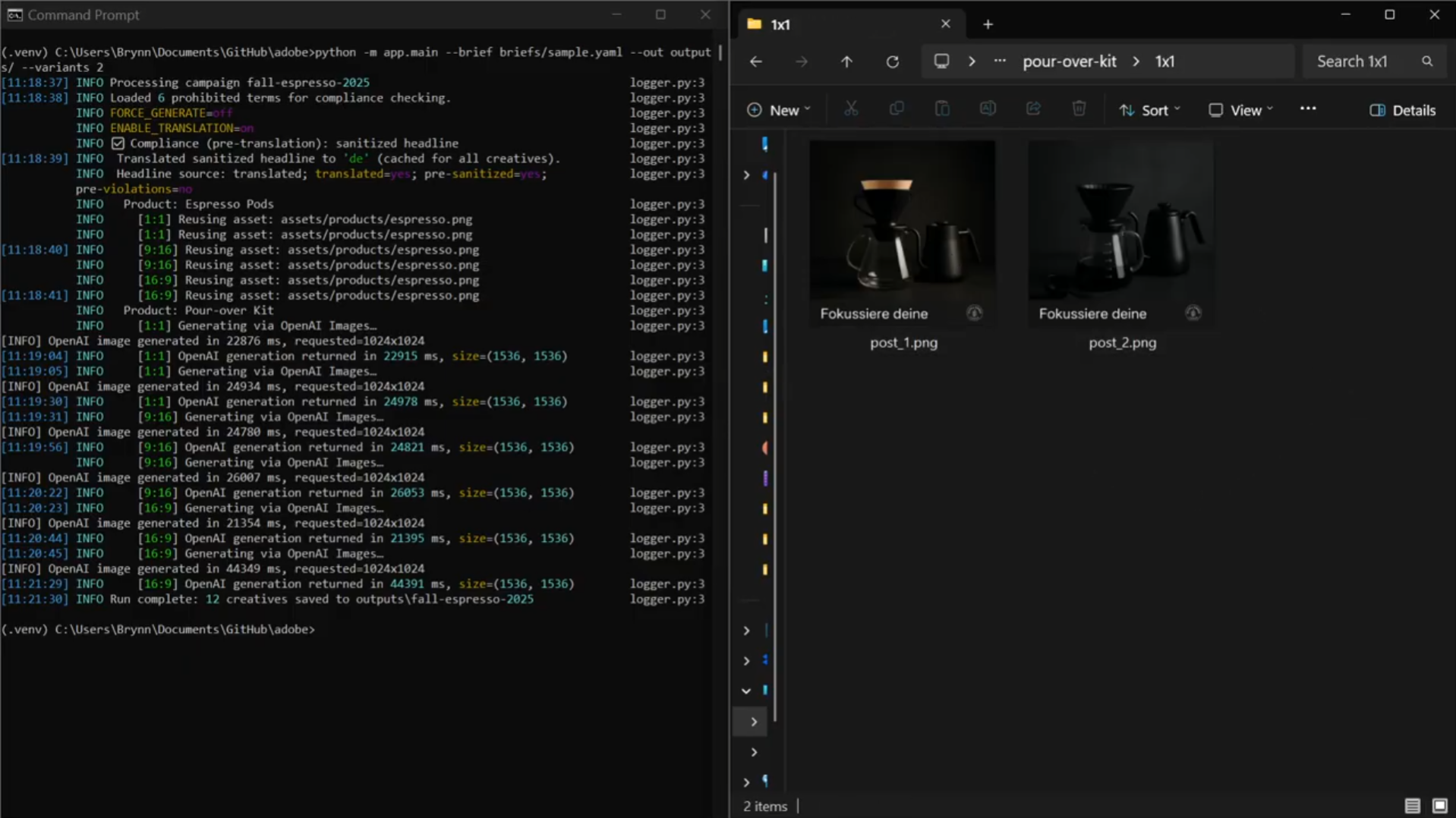
CLI demo still
Personal R&D · Python · CLIP · ChatGPT / Adobe Firefly

Building an Agentic AI System for Asset Generation

Enterprise creative teams needed brand-safe assets at a volume no human review process could keep up with. I designed an agent-driven pipeline to generate, evaluate, and deliver creative assets autonomously — without losing the brand-safety net a human reviewer provides.

  • Architected a four-agent workflow (Watcher → Generator → Evaluator → Alert) that processes campaign briefs end to end
  • Built modular GenAI components for image generation, compliance enforcement, translation, and multi-ratio layout
  • Designed confidence-signal logic: only genuinely ambiguous output reaches a human reviewer
Result: a scalable, Firefly-ready pipeline producing brand-safe creative variants with minimal manual oversight.
agentic AIAdobe FireflyCLIPcompliance design
~/work/genai-tool-suite — asurion, 2023–2024
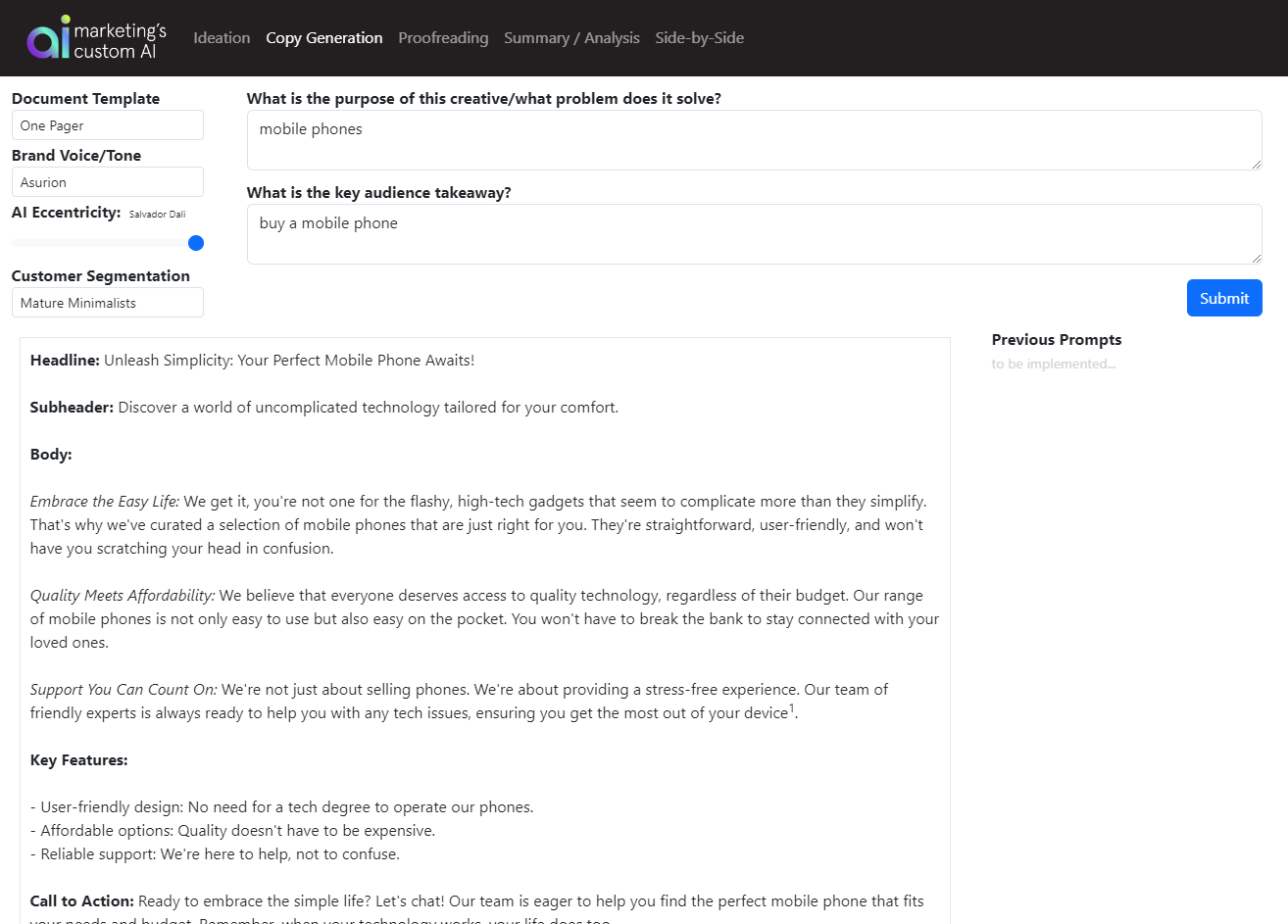
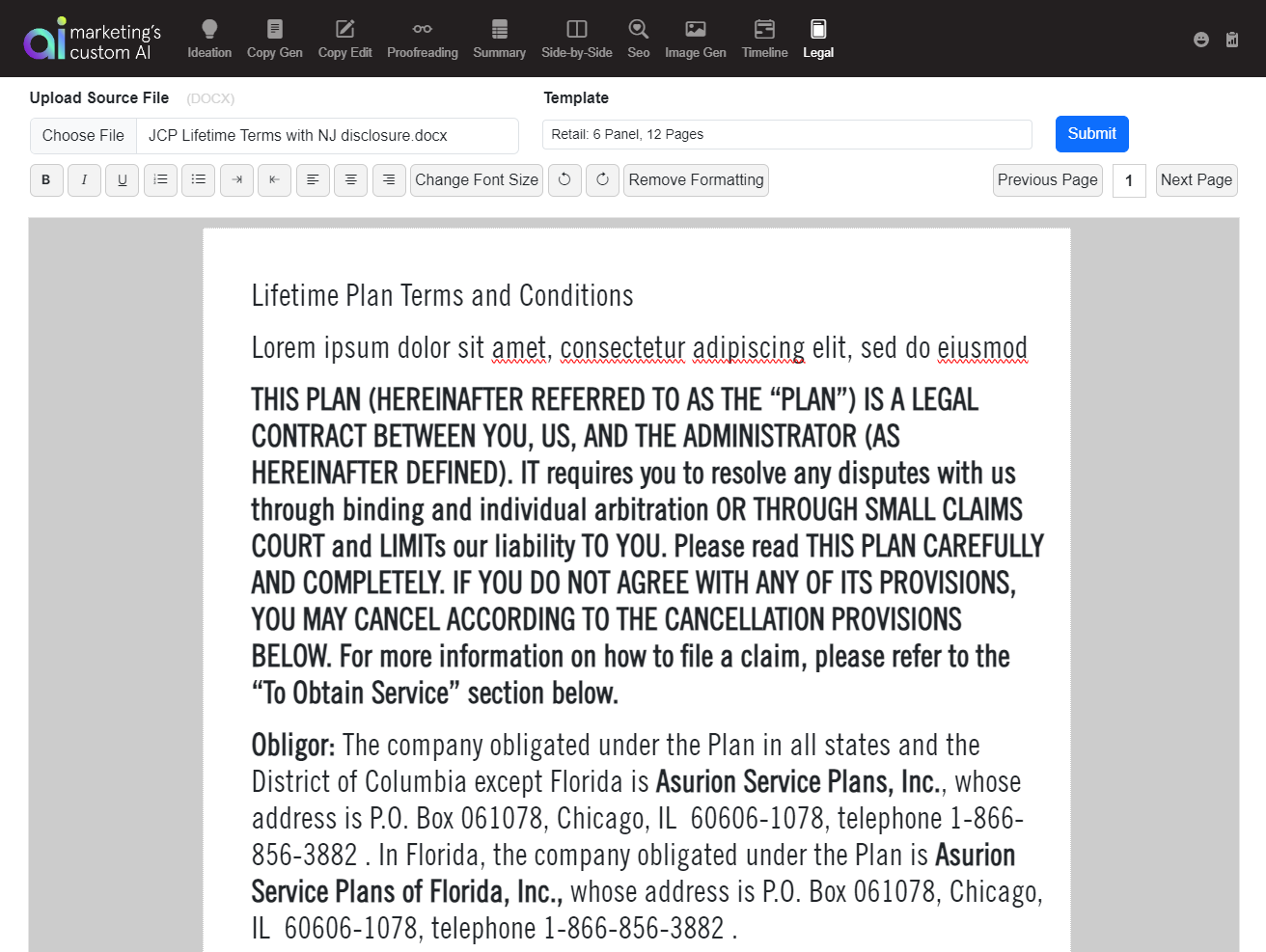
Custom GenAI tool suite dashboard, hero shot
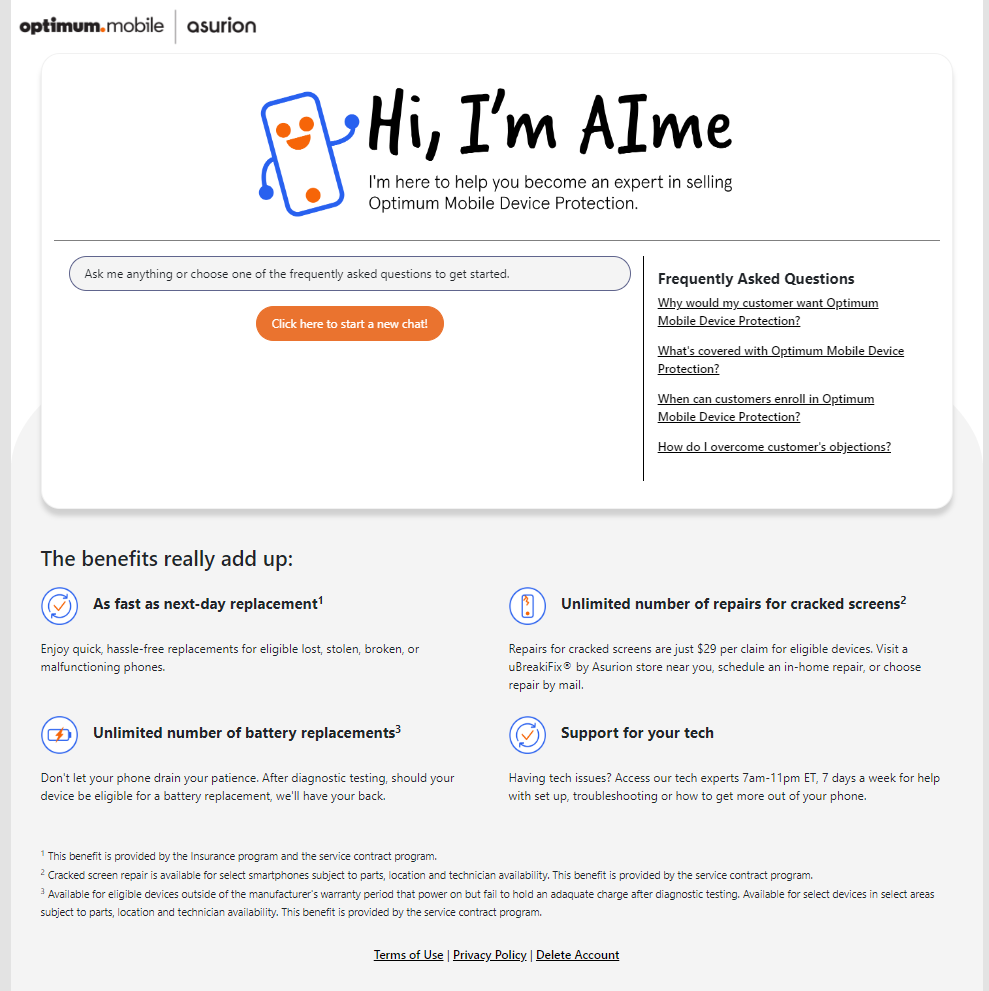
Prompt composer UI Generated content example AIme chatbot
Asurion · Figma · ChatGPT API · Azure AI · DALL·E 3 · AWS

Custom Generative AI Tool Suite

Creative, support, and strategy teams were stuck in manual content workflows with no shared system for brand-safe generation. I led UX and frontend build for an internal suite of branded GenAI tools, grounded in real internal documentation rather than generic model output.

  • Ran user discovery to prioritize real workflows over hypothetical ones
  • Grounded responses in internal tone guides, policy, and FAQs via Azure AI + SharePoint
  • Built prompt frameworks giving non-technical teams control over tone, structure, and intent
Result: adopted org-wide, saving an estimated $250K annually and cutting external vendor dependency by 75%.
GenAIAzure AIprompt designorg-wide adoption
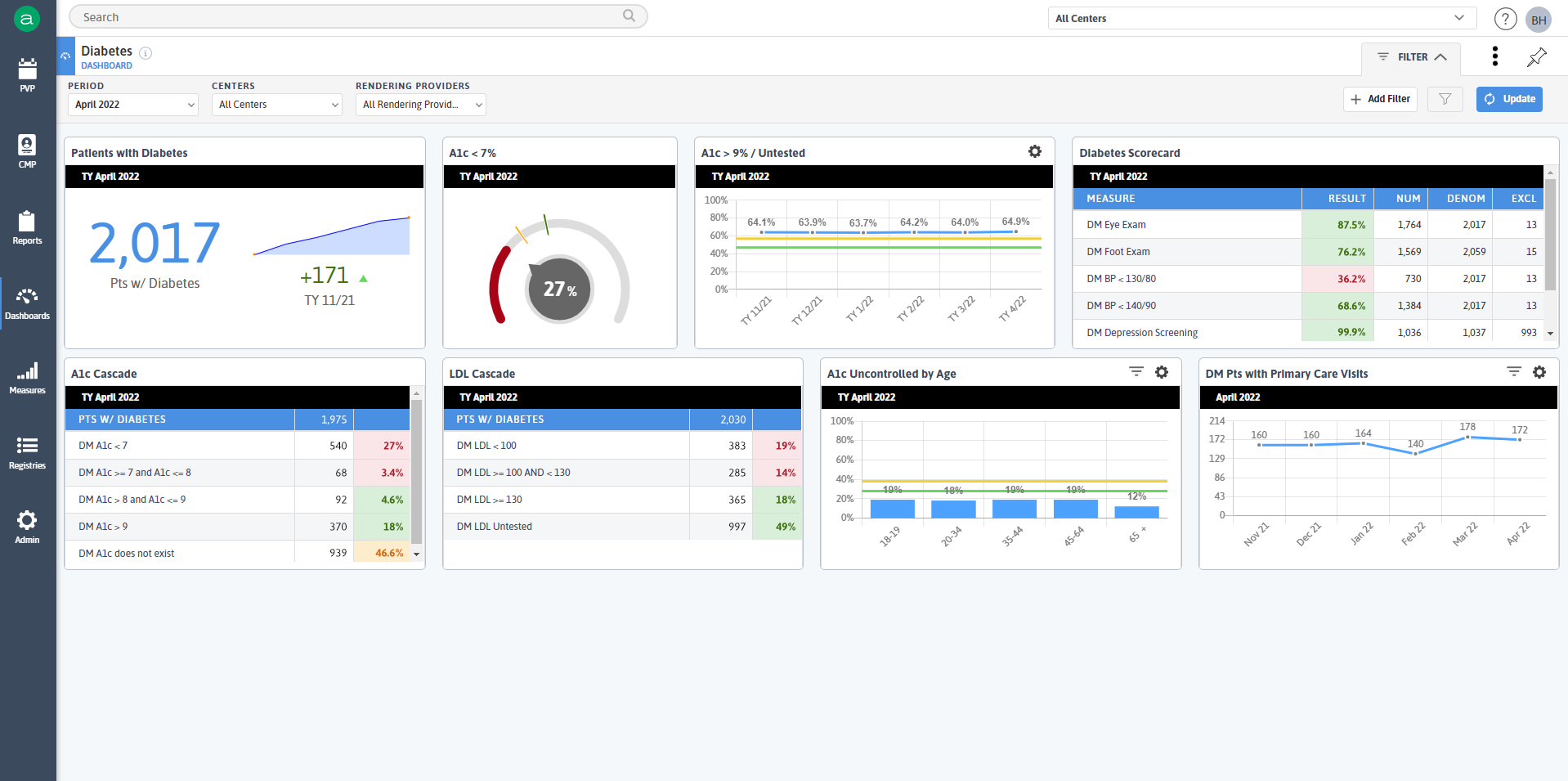
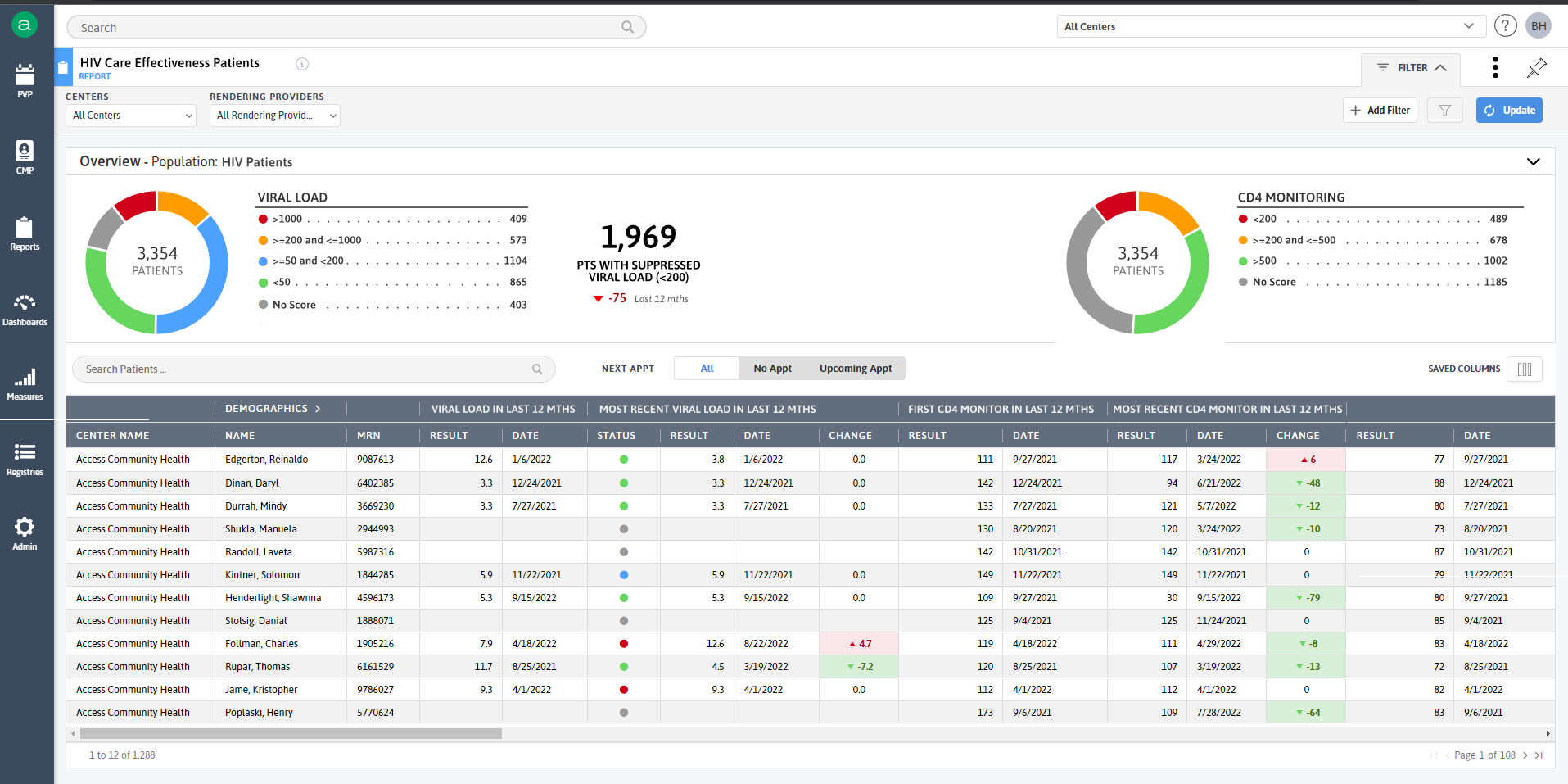
~/work/health-analytics-dashboard
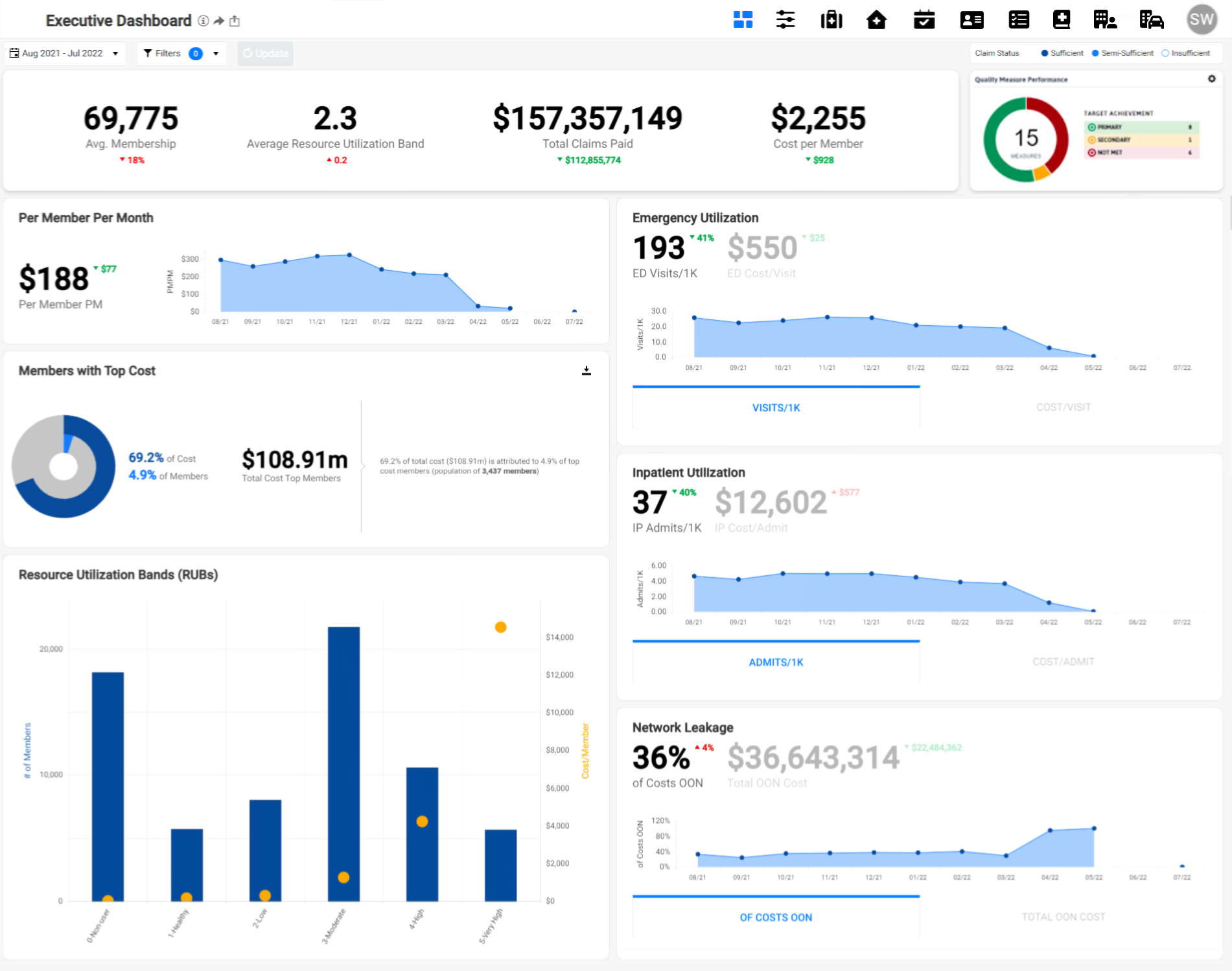
Executive dashboard, full view
Population specific dashboard Care effectiveness breakdown
Miro · Figma · D3 · Tableau · Adobe Creative Suite

Healthcare Quality Analytics Dashboard

Executive and care-coordinator audiences needed to make sense of dense quality metrics and discharge patterns without a data-science background standing between them and a decision.

  • Ran persona-based journey mapping and stakeholder interviews
  • Surfaced pain points in data comprehension through Miro workshops
  • Built D3 visualizations prioritizing clean hierarchy and accessibility
Result: faster, clearer decision-making from the C-suite down to care coordinators.
D3.jsTableaudata visualizationhealthcare
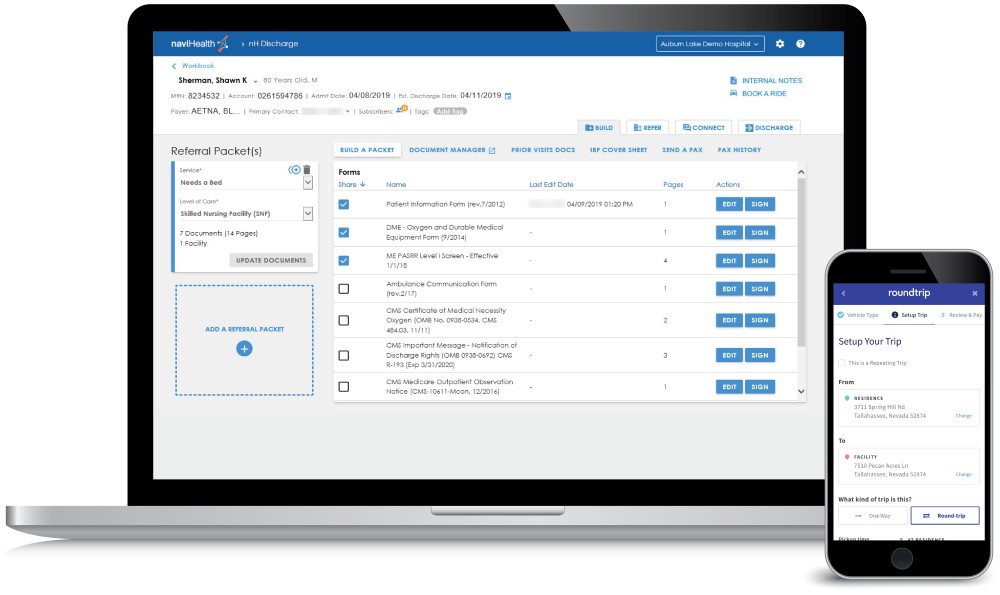
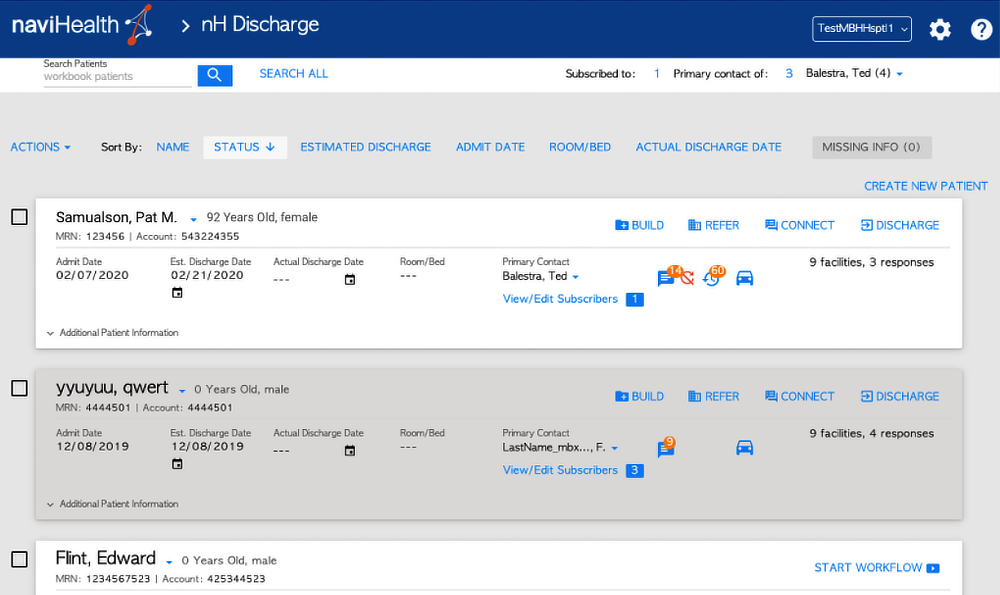
~/work/patient-transition-platform — navihealth, 2013–2022
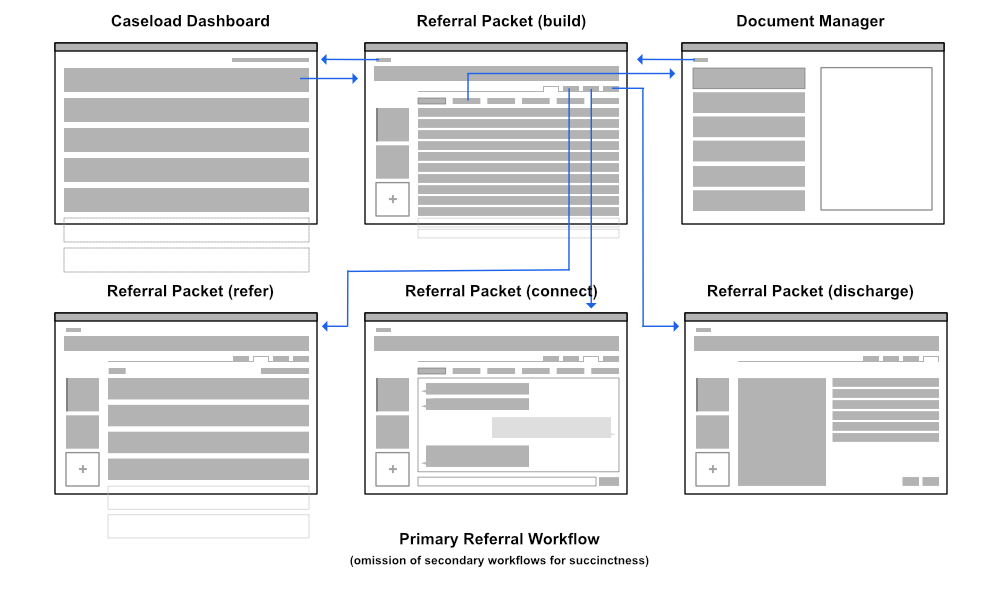
Discharge workflow, desktop and mobile
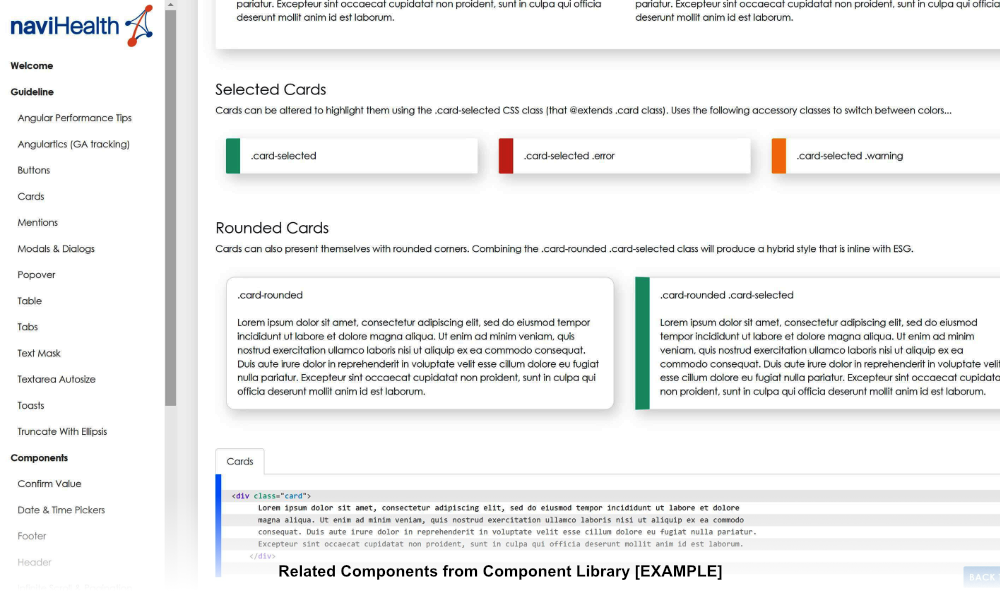
Discharge workbook Cross-app Worflow Component library
Miro · Sketch · Angular 12 · Bootstrap 4 · React Native

Hospital Patient Transition Platform

Discharge handoffs were failing on poor documentation and inaccessible plans, raising real readmission risk. I redesigned the workflow from the ground up, then built the design system that unified it across nine years and twelve products.

  • Conducted field research directly with discharge nurses and case managers
  • Pinpointed handoff errors caused by documentation gaps
  • Built situationally-aware UIs tuned for fast data entry on mobile and web
  • Developed a full enterprise design system spanning the entire product suite
Result: faster, safer handoffs with consistent experience across every surface.
design systemsAngularReact Nativefield research
~/work/market-research-stimuli — affinnova
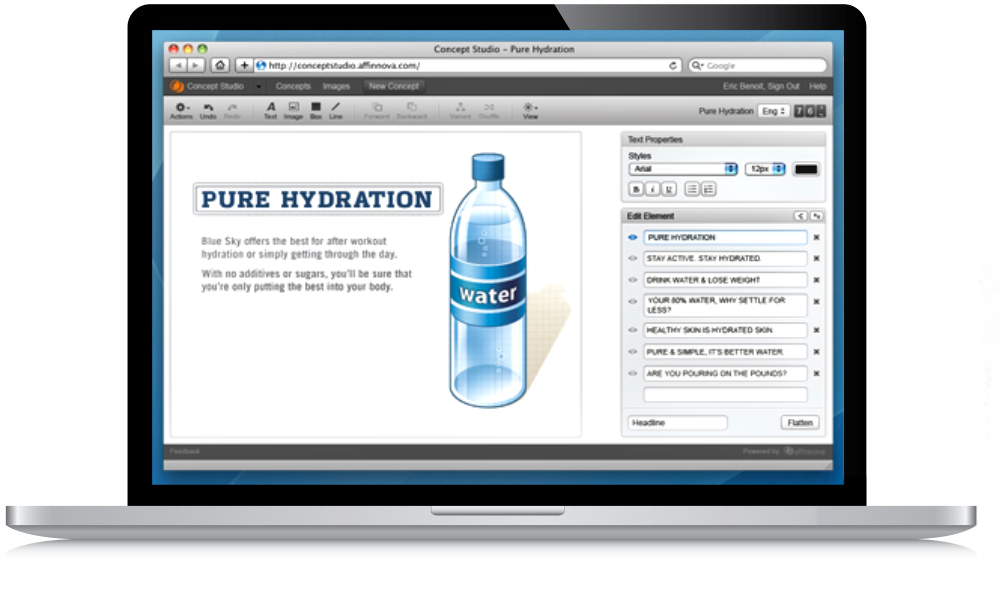
WYSIWYG editor, before and after
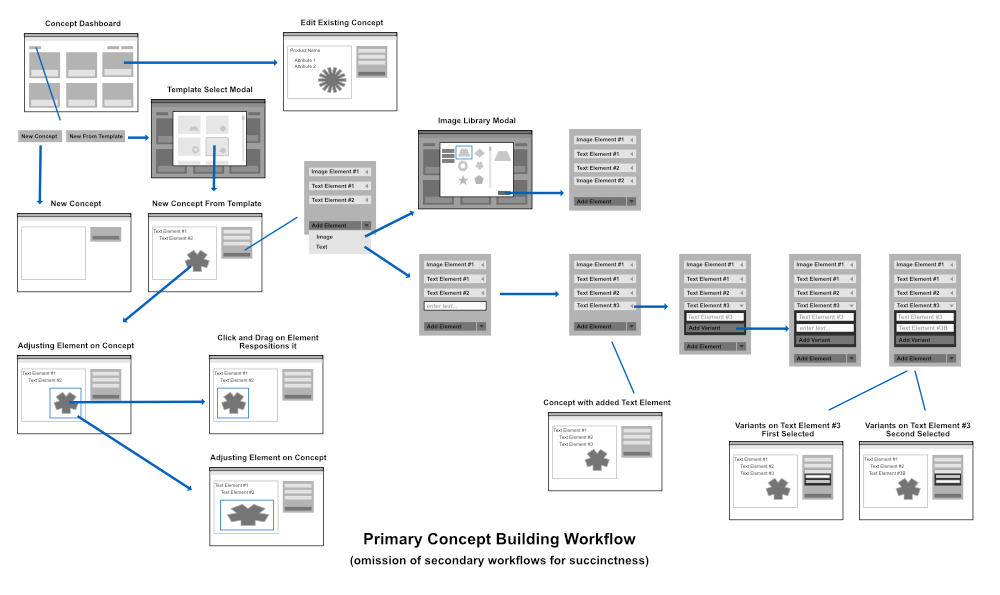
Concept building workflow
Whiteboard · InDesign · Backbone.js · jQuery · Illustrator

Market Research Stimuli Designer

A legacy tool powering AI-driven A/B tests for product-preference studies was slow and error-prone. I partnered directly with researchers to find the real blockers and rebuilt it from scratch.

  • Identified usability blockers through direct researcher partnership
  • Replaced clunky forms with a drag-and-drop WYSIWYG editor
  • Built a lightweight, modular frontend in Backbone.js and custom jQuery
Result: cut study setup time drastically and improved research velocity.
Backbone.jsWYSIWYGresearch tooling
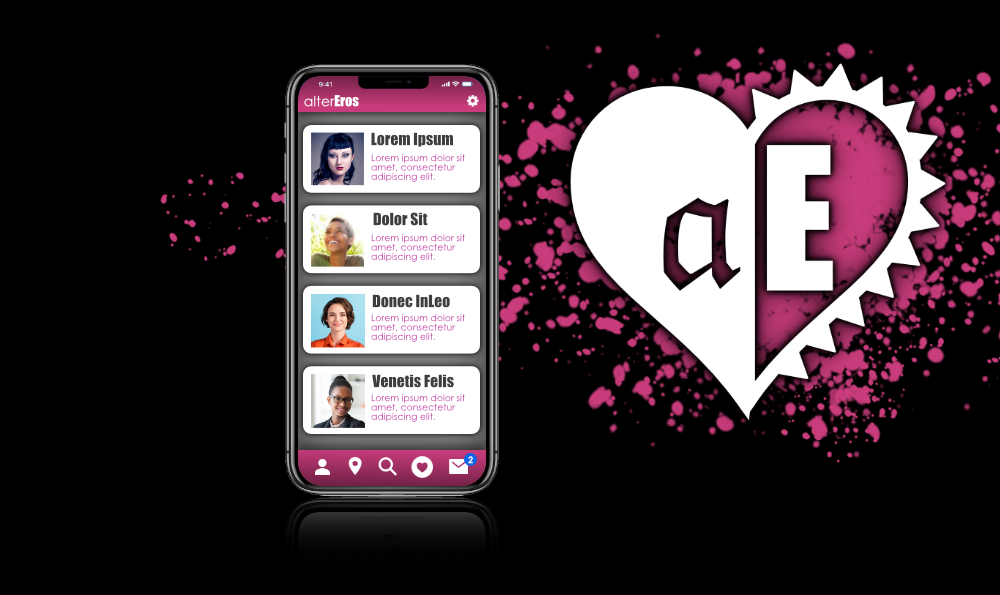
~/work/matchmaking-app — personal
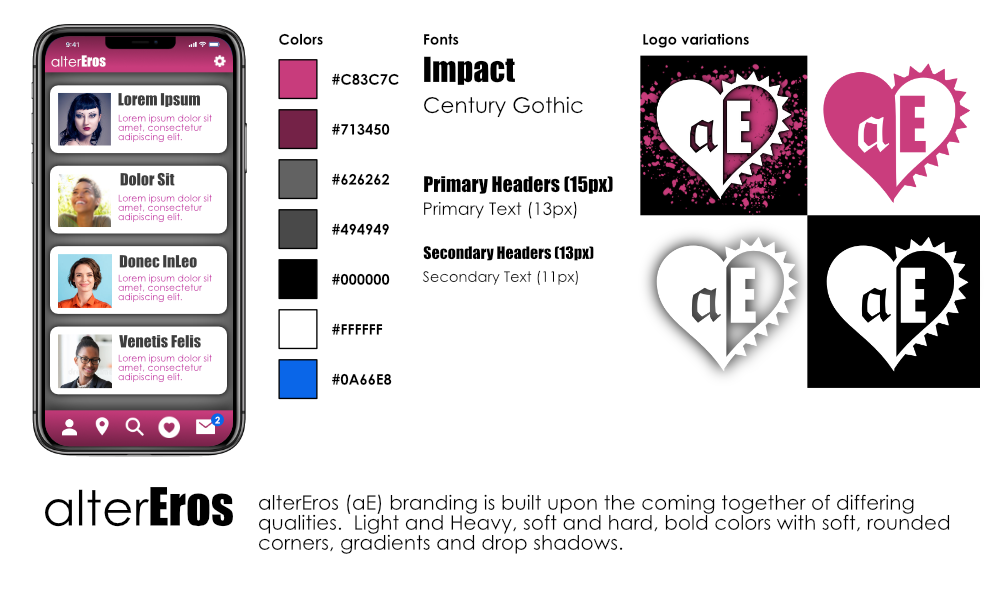
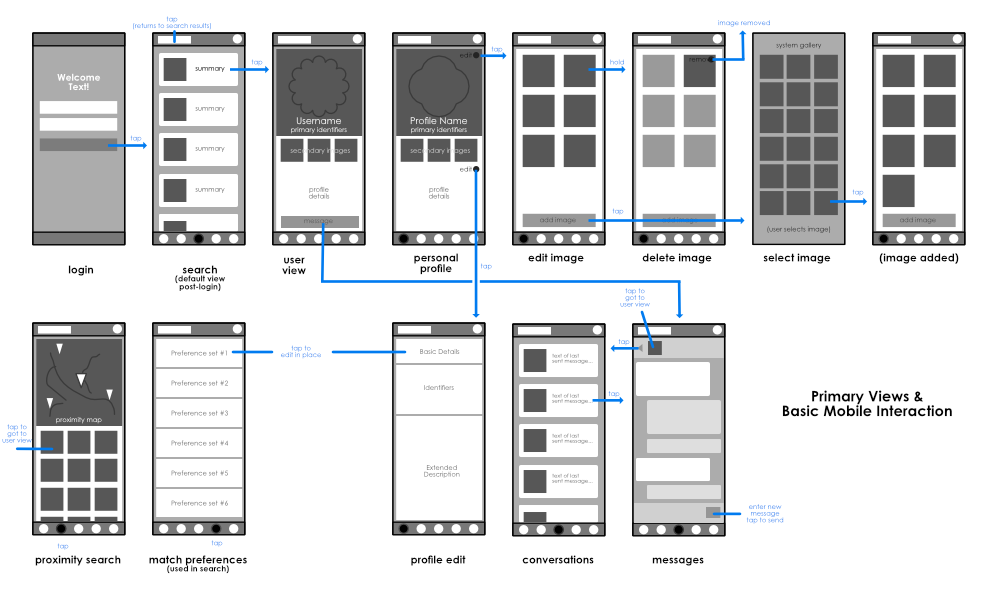
App hero — question-first matching flow
Onboarding flow Match reveal screen
Affinity Designer · Angular · Ionic · Affinity Photo

Matchmaking Mobile App

Swipe-based dating apps were producing real fatigue and shallow matching. I designed a new take centered on personality over photos, with full-stack ownership from research through rollout.

  • Researched swipe fatigue to surface real emotional pain points
  • Designed a question-first matching flow to promote deeper discovery
  • Built the entire mobile experience with calming visuals and soft haptics
Result: a more human approach to dating, owned end to end from concept to rollout.
Ionicmobile UXpersonal project
~/side-projects

Off the clock, same throughline.

The art-and-engineering fusion isn't a work persona — it's just how I build things, all the time.

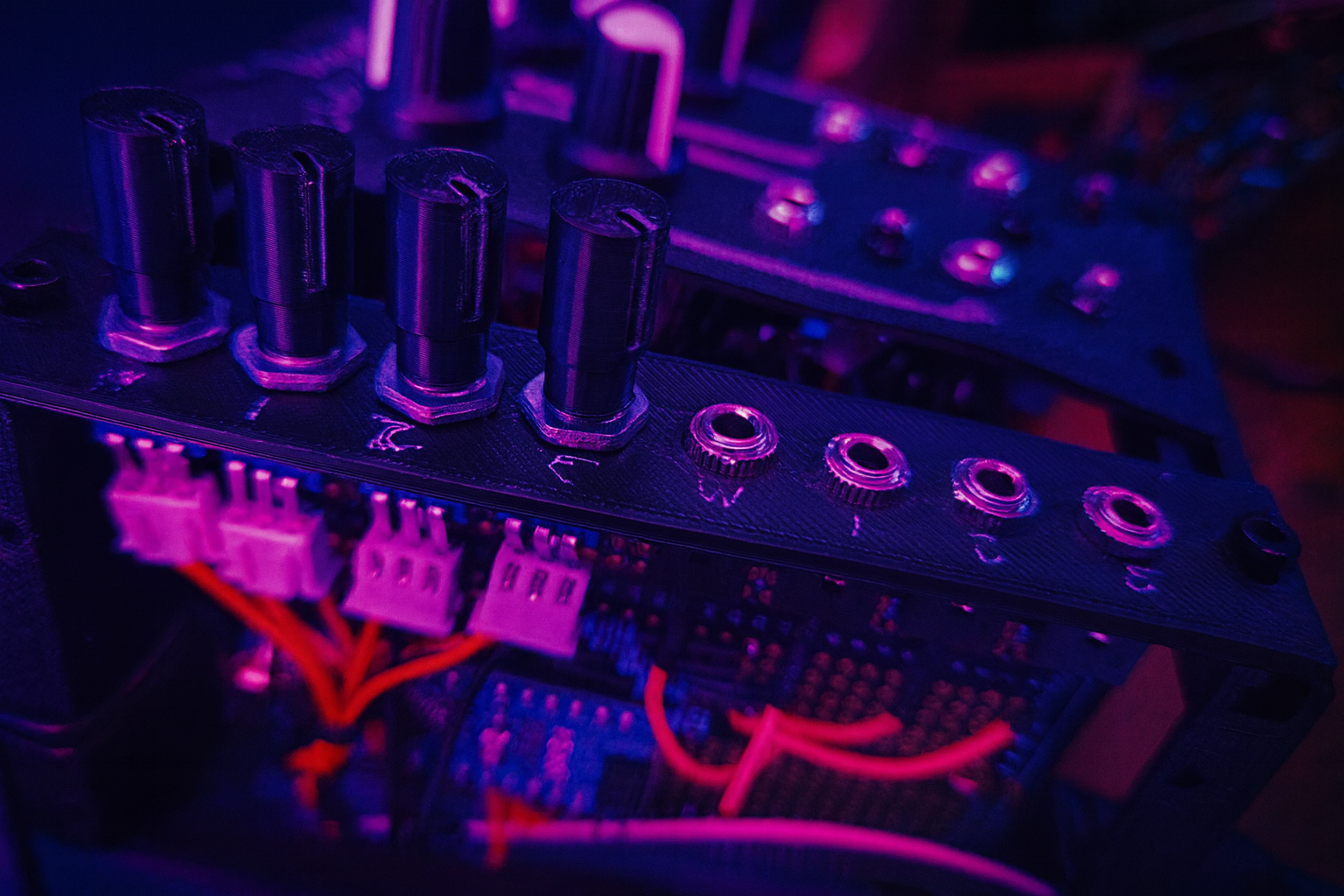
Hand-built Daisy Seed synth panel

Eurorack instruments

Hand-soldered synth and drum modules on the Daisy Seed platform — 3D-printed panels, hardware I design and build myself.

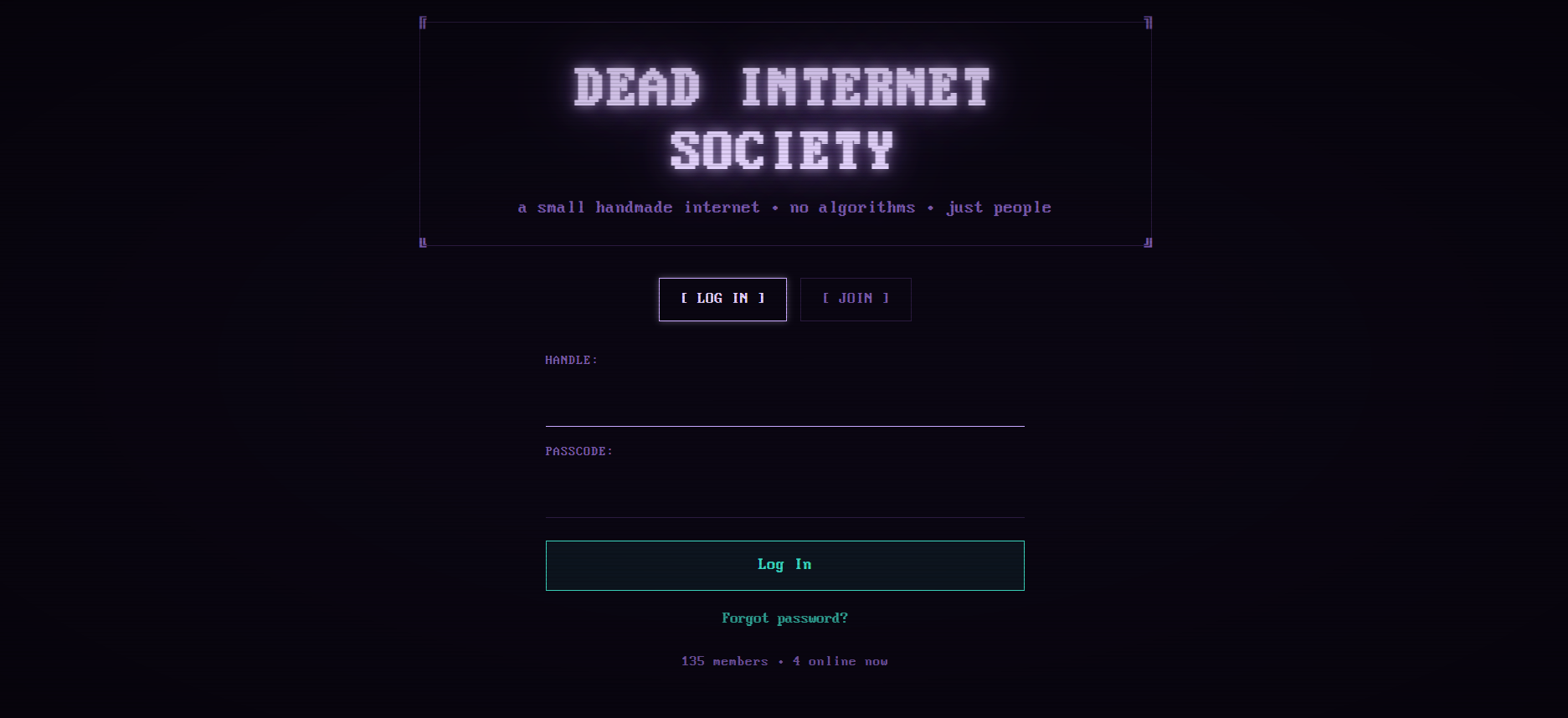
Dead Internet Society BBS phosphor terminal

Dead Internet Society BBS

Sysop of a full phosphor-CRT-aesthetic BBS — Node.js, WebSockets, a homegrown chrome economy, and a roguelite door game.

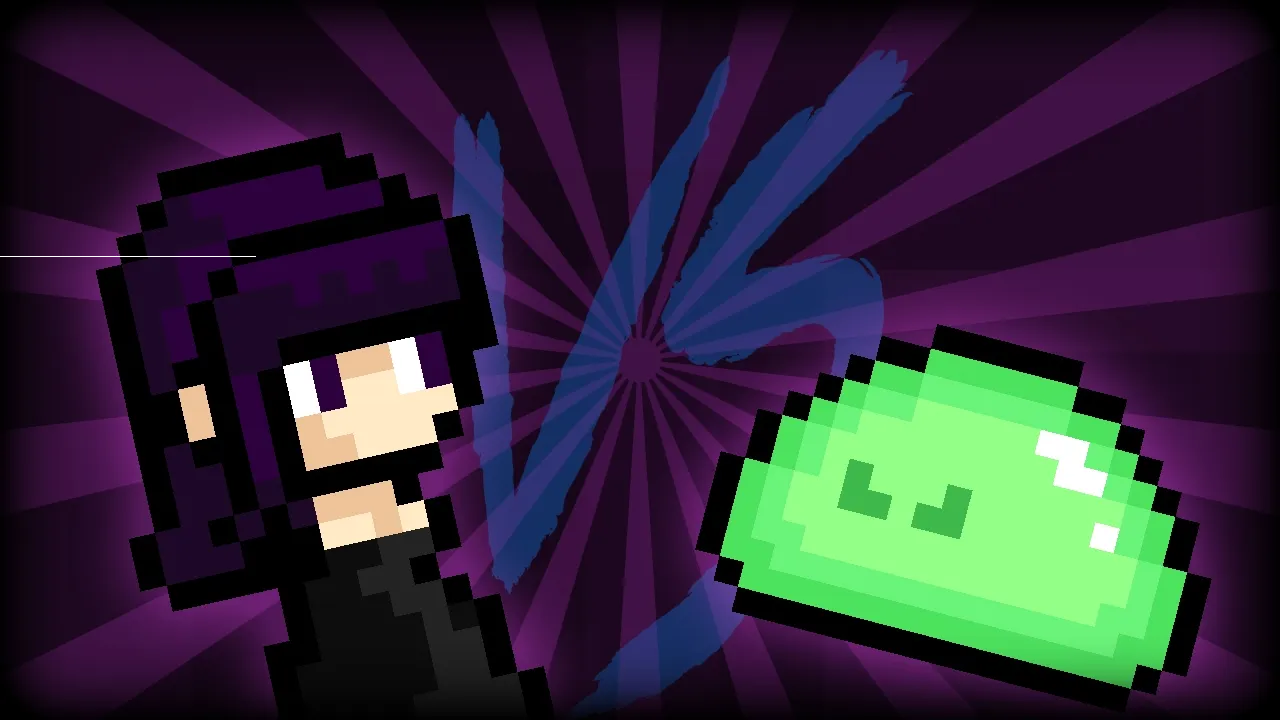
Goth Girls vs The Goo concept and pixel art

Goth Girls vs The Goo

A cybergoth platformer IP — worldbuilding, pixel art, and game design across a Steam release and door-game spinoffs.

~/contact

Say hello, or send a brief.

Open to forward-deployed, creative technologist, and AI-native product design roles.